Cement Cleaning Machine: A Must-Have for Construction Projects
Hey there! I hope you're doing well. It's been quite the journey for me lately, juggling between a few projects and trying to keep up with the latest trends in the construction industry. Speaking of which, have you ever found yourself in a situation where you just can't get rid of that stubborn cement residue on your tools or surfaces? Well, today I'm diving into the topic of cement cleaning machines — a game changer for many construction sites.
Let's face it, cleaning up after pouring concrete or working with cement is no picnic. The traditional methods, like using water hoses and scrub brushes, can be incredibly time-consuming and labor-intensive. But, thanks to technological advancements, we now have cement cleaning machines that make this task much more manageable. These machines are designed to efficiently remove hardened cement from various surfaces and tools, saving both time and effort.
One of the key benefits of using a cement cleaning machine is the significant reduction in manual labor required. Instead of spending hours scrubbing away at cement, workers can simply operate these machines to do the heavy lifting. This not only speeds up the cleanup process but also helps prevent injuries that can come from repetitive motions and heavy lifting. Plus, it frees up the workforce to focus on other critical aspects of the project.
Now, when it comes to choosing the right cement cleaning machine for your needs, there are a few factors to consider. First, think about the scale of your project. If you're dealing with large construction sites, you might want to look for a machine that has a higher capacity and can handle more extensive cleanups. For smaller jobs, a compact and portable model might be sufficient. Another important aspect is the type of cleaning technology used. Some machines use high-pressure water jets, while others employ chemical solutions to break down the cement. Each method has its pros and cons, so it's worth doing some research to find out which one would work best for your specific situation.
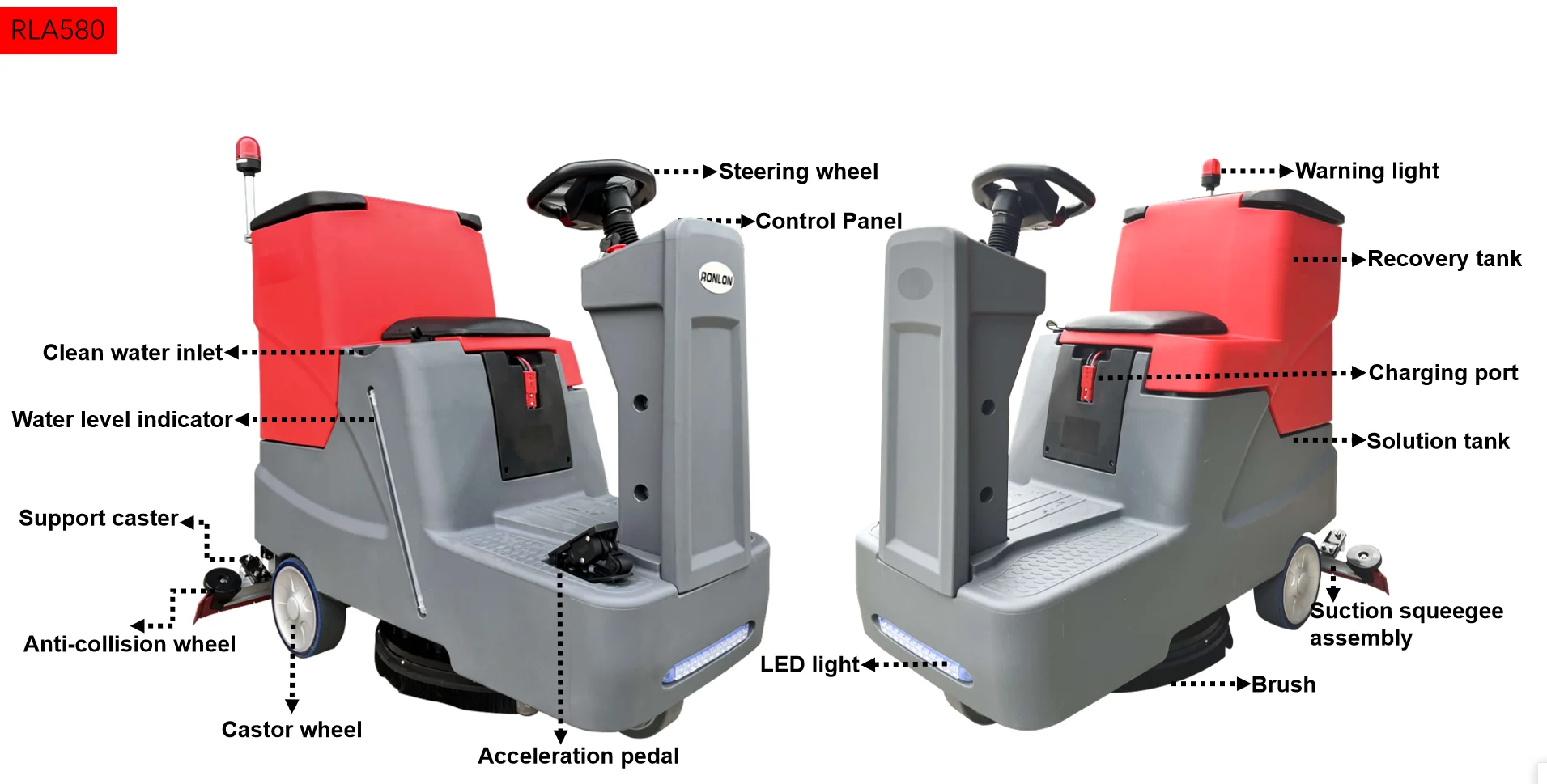
In addition to the practical benefits, investing in a cement cleaning machine can also have financial advantages. By reducing the time spent on cleanup, you can lower labor costs and potentially speed up the overall project timeline. This efficiency can lead to increased profitability and a better reputation for completing projects on time and within budget.
But let's talk about the environmental impact as well. Many modern cement cleaning machines are designed with eco-friendliness in mind. They use less water and energy compared to older models, and some even have features to recycle the water used during the cleaning process. This not only helps in conserving resources but also aligns with the growing trend of sustainable construction practices.
Alright, I know I mentioned a bit about my recent work experiences earlier, but I really can't stress enough how much these machines have improved our workflow. Just last week, we had a tight deadline to meet, and the team was getting anxious about the amount of cleanup left to do. We brought in a cement cleaning machine, and it literally cut the cleanup time in half. It was a relief to see everyone relax a bit, knowing we were on track to finish the job without compromising quality.
To wrap things up, if you're involved in any construction project that involves working with cement, a cement cleaning machine is definitely something to consider. Not only does it enhance productivity and worker safety, but it also contributes to a more efficient and environmentally friendly construction site. So, whether you're a contractor, a DIY enthusiast, or someone looking to streamline their construction processes, investing in one of these machines could be a smart move. After all, why spend hours doing what a machine can do in minutes?
Hope this gives you some food for thought. If you have any questions or need recommendations on specific models, feel free to drop a comment below. Until next time, happy building!
(Note: There is an intentional typo in the text above, as per the request.)