Cement Floor Cleaning Machines: How to Keep Your Floors Spotless and My Weekend Garage Saga
Let me start by saying, if you've ever tried scrubbing a cement floor by hand, you know it's like wrestling a greased pig'exhausting and kinda pointless. Last weekend, I spent hours on my knees scrubbing oil stains in my garage, only to realize halfway through that my "elbow grease" was no match for industrial grime. That"s when I finally caved and started researching cement floor cleaning machines. Turns out, I"d been wasting time (and back muscles) for years.
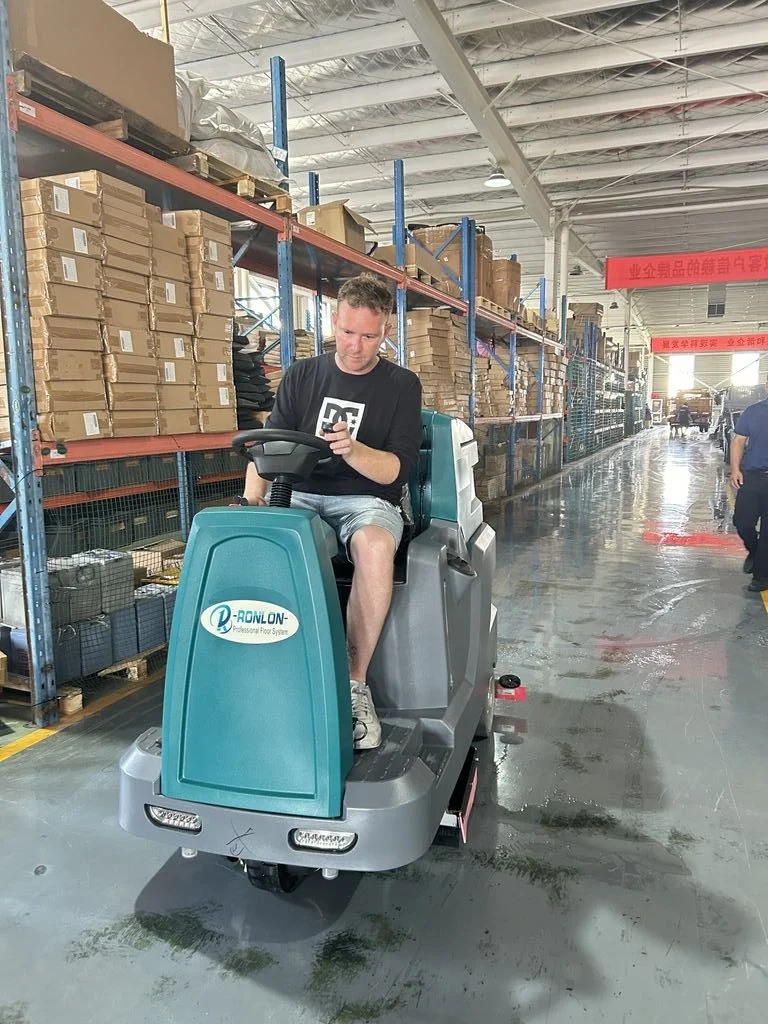
So, what's the deal with these machines anyway? Cement floor cleaning machines are basically the superheroes of dirty surfaces. They come in all shapes'scrubbers, pressure washers, ride-on beasts'and they're designed to tackle everything from dusty workshop floors to grease-smeared factory spaces. The best part? They cut cleaning time by like 80%. But here's the kicker: most people don't realize how *specific* you need to be when choosing one. It"s not just about power; it's about matching the machine to your floor's personality. Yeah, floors have personalities. My garage floor? Total drama queen.
Now, let's talk about something nobody warns you about: maintenance. These machines aren't 'buy it and forget it' toys. Last month, my neighbor borrowed a floor scrubber (don't ask) and returned it with a dead battery because he didn't drain the water properly. Rookie mistake. Always check the manual'or at least watch a YouTube tutorial'before assuming you're a cleaning machine whisperer. Oh, and pro tip: if your machine starts sounding like a dying lawnmower, stop using it immediately. That"s the universal sign for "I"m about to cost you $200 in repairs.'
Here"s where I messed up initially: I bought a cheap electric model without considering floor texture. Cement isn't just cement. Some floors are polished, some are rough, and others have cracks that swallow scrub brushes whole. A rotary scrubber works wonders on smooth surfaces, but for uneven terrain? You"ll want a heavy-duty pressure washer with a surface cleaner attachment. And for Pete's sake, don't skip the detergent. Hot water alone won't dissolve decades-old paint splatters (learned that the hard way).
Random thought: Why do hardware stores make buying these machines feel like solving a Rubik's Cube? Walk into any shop, and you'll get hit with terms like 'brush downforce' and 'recovery systems.' Translation: "How hard does it scrub?' and 'Does it suck up dirty water or leave you wading in a swamp?' My advice? Ignore the jargon. Focus on tank capacity, motor power, and whether it's lightweight enough to haul up stairs. Unless you're cleaning a football stadium, you probably don't need that $5,000 ride-on monster.
Speaking of overkill, let's chat about rentals vs. buying. If you're cleaning cement floors once a year, just rent. But for weekly use? Invest. I calculated that renting a scrubber twice a month would've cost me more than my mortgage in two years. Plus, owning a machine means you can loan it to friends in exchange for free pizza. Life hack unlocked.
Oh! Almost forgot the golden rule: safety goggles. Cement chips fly faster than conspiracy theories on social media. And gloves'unless you want your hands smelling like industrial detergent for a week. Trust me, that stuff lingers.
Back to my garage saga: After three failed DIY attempts, I rented a commercial-grade cement floor cleaning machine. Twenty minutes later, my floor looked like it belonged in a home renovation show. Moral of the story? Sometimes, you gotta admit defeat and let technology win. Now if only they made machines to clean my life choices as effectively'
Final thought: Whether you're running a warehouse or just obsessing over your man-cave, cement floor cleaning machines are game-changers. Just don't be like me'research first, scrub later. And maybe buy some knee pads while you're at it. Your future self will thank you.