How to Choose the Best Residential Floor Scrubbers Without Losing Your Mind
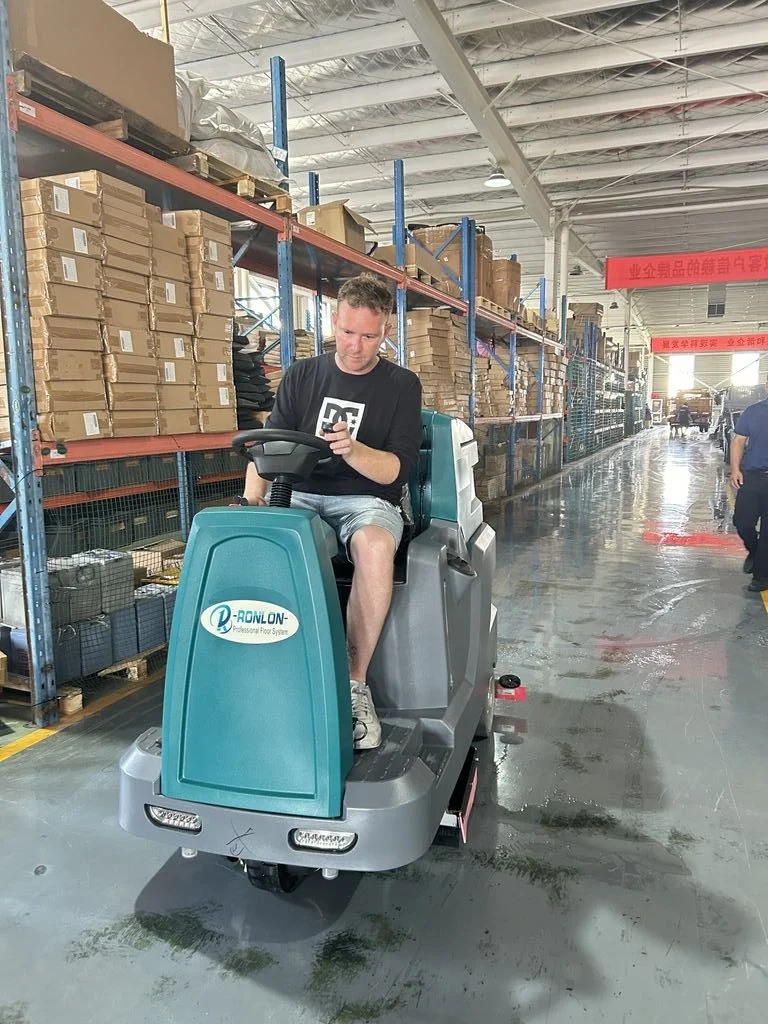
Let's be real'cleaning floors is nobody's idea of fun. Last week, I spent an hour scrubbing dried spaghetti sauce off my kitchen tiles (thanks, kids) and thought, "There"s gotta be a better way.' Turns out, there is. Residential floor scrubbers exist, and they're not just for fancy mansions or people who wear white gloves while dusting. But how do you pick one that doesn't suck? Let's break it down without the marketing fluff.
First off, forget the 'commercial-grade' hype. You don't need a machine that sounds like a helicopter taking off. Residential floor scrubbers should be quiet enough to use while your toddler naps'or while you binge-watch Netflix. Look for models under 70 decibels. My neighbor bought one last month that's quieter than her blender, and she's weirdly obsessed with it now.
Size matters too. If your storage space is competing with holiday decorations and that treadmill you never use, go compact. Some scrubbers are slim enough to slide under a couch. Others? They're like parking a Smart car in your broom closet. Pro tip: Measure your storage area before clicking 'buy.' Trust me, you don't want to play Tetris with a 40-pound machine at midnight.
Battery life is where things get sneaky. Brands love shouting 'up to 60 minutes of runtime!' but that's usually on low settings. Crank up the power for stubborn mud (or mystery goo), and you'll get half that. Look for lithium-ion batteries'they recharge faster and last longer than nickel-based ones. My friend learned this the hard way when her scrubber died mid-clean, leaving her with a half-wet floor and a very judgmental cat.
Now, let's talk messy situations. Residential floor scrubbers handle spills better than paper towels, but not all are created equal. Models with adjustable water flow let you control how much moisture hits your floors. Too much = swampy tiles. Too little = scrubbing twice. The sweet spot? A machine that adjusts automatically based on how dirty your floor is. Fancy? Maybe. Worth it? Absolutely.
Here"s where I messed up last year: not checking the brush type. Soft brushes work great on hardwood but turn into sad noodles on textured concrete. Some scrubbers come with interchangeable heads'swap 'em for different surfaces. Oh, and avoid scrubers (oops, see what I did there?) with 'one-size-fits-all' brushes unless you enjoy mediocre results.
Warranties are boring but crucial. A 1-year warranty is standard, but brands confident in their products offer 2-3 years. Read the fine print'some void coverage if you use off-brand cleaning solutions. Speaking of solutions, DIY mixes (vinegar + water) might save money but can gunk up the machine. Stick to manufacturer-recommended stuff unless you enjoy disassembling scrubbers for fun.
Price tags range from "I"ll eat ramen this week' to 'Did I accidentally click the commercial model?' Set a budget before shopping. Under $300 gets you basic but decent options. Splurge past $500, and you're getting smart sensors, app connectivity, and maybe a back massage feature (kidding' mostly).
Final thought: Your floors shouldn't stress you out. A good residential floor scrubber turns a 2-hour chore into a 20-minute task. Just don't let your kids treat it like a ride-on toy"I speak from experience.