Industrial Concrete Floor Scrubbers: The Unsung Heroes of Spotless Workspaces
Let me tell you something'keeping industrial floors clean is like trying to eat soup with a fork. You're working hard, but progress feels painfully slow. I remember working at a manufacturing plant years ago where the floor always looked like a battlefield of grease stains and concrete dust. The crew hated it. My buddy Dave once joked, "If I slip one more time, I"m billing HR for my chiropractor visits.' That"s when we finally got serious about finding a real solution: industrial concrete floor scrubbers.
You know what's wild? These machines aren't just fancy mops. A good industrial concrete floor scrubber chews through stubborn grime like it's breakfast cereal. We're talking about surfaces that've endured oil spills, chemical residues, and foot traffic thicker than Black Friday crowds. The right scrubber doesn't just clean'it transforms safety and efficiency. After we started using one, our weekly 'near-miss' reports dropped by 60%. Not bad for a tool that looks like a cross between a Zamboni and a vacuum cleaner.
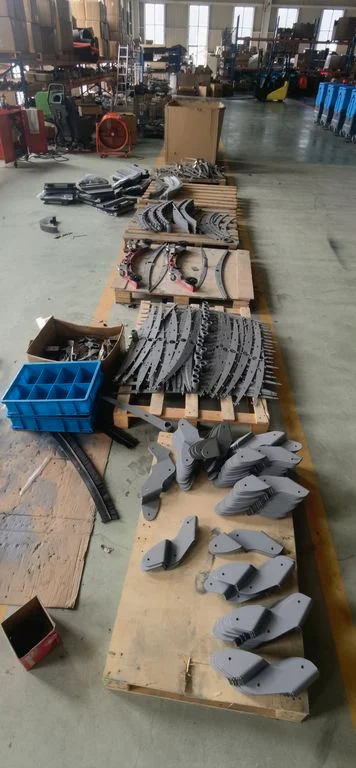
Here"s the thing most people miss: not all scrubbers are built equal. Some models leave floors slightly damp, which is a lawsuit waiting to happen in industrial settings. Others? They're overkill for smaller spaces. The sweet spot is finding a machine that matches your floor's texture and workload. Oh, and pro tip'always check the bristle material. Nylon brushes might struggle with concrete's roughness, while abrasive-resistant ones last longer.
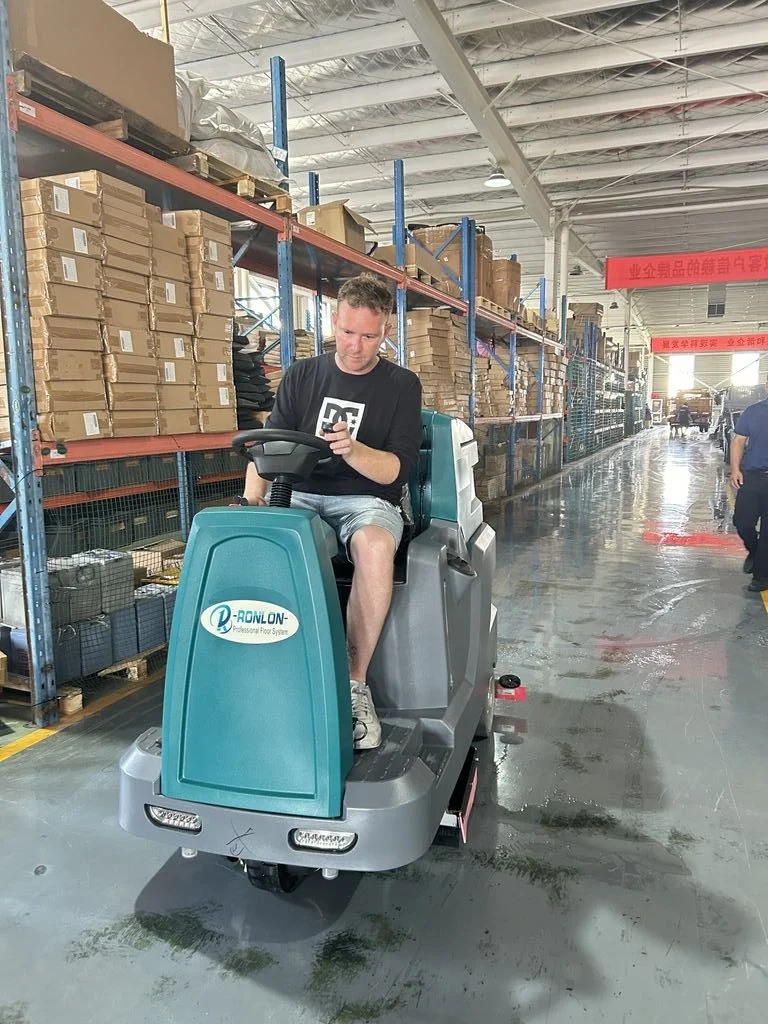
Maintenance is where many teams drop the ball. I"ve seen scrubbers treated worse than rental cars'drained batteries, clogged filters, you name it. A little care goes a long way. Empty the recovery tank daily (unless you enjoy the smell of stagnant water), and inspect the squeegee blades weekly. And for heaven's sake, stop using harsh chemicals that promise 'instant shine.' Most industrial concrete floor scrubbers work best with pH-neutral cleaners. Your floor's sealant will thank you.
Funny story'last month, a client insisted their scrubber was broken because it left streaks. Turns out they'd accidentally set it to 'low suction' mode for six months. Always read the manual, folks. Another common mistake? Using residential-grade machines in industrial spaces. That"s like bringing a water pistol to a grease fire. Invest in equipment designed for concrete's unique challenges, and you'll avoid that *squeeky*-clean illusion (see what I did there? Squeaky's spelled wrong, but you get the point).
At the end of the day, industrial concrete floor scrubbers aren't just about appearances. They're productivity boosters. Workers move faster when they're not dodging puddles or tripping over debris. Equipment lasts longer without dust clogging its gears. And let's be real'there's something satisfying about watching a machine erase years of wear and tear in one pass.
So if your facility's floors look like they've been through a warzone, maybe it's time to call in the scrubber cavalry. Your team's knees (and your liability insurance) will breathe easier. Plus, nobody ever complained about a workspace that smells like fresh concrete instead of old motor oil. Just saying.