The Ultimate Guide to Industrial Floor Maintenance: Keeping Your Floors Tough and Tidy
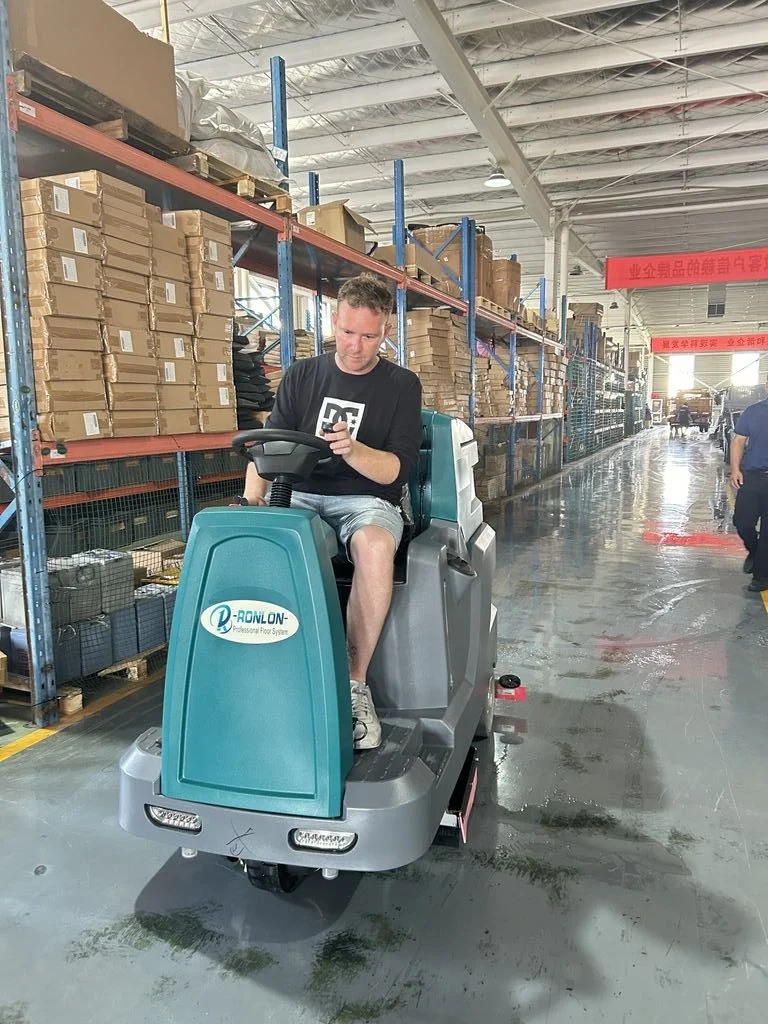
Hey there! So, I was at this massive warehouse last week — you know, the kind with floors that've seen more forklifts than a Netflix drama has plot twists. The manager kept complaining about grease stains and cracks, and honestly? It reminded me of my college apartment's kitchen floor. Some things just take a beating, right? Anyway, let's talk about industrial floor maintenance because whether you're running a factory or a brewery, your floors work harder than a caffeine-addicted intern.
First off, industrial floors aren't your grandma's polished hardwood. They're more like the MMA fighters of flooring — built to endure spills, heavy machinery, and foot traffic that'd make Times Square blush. But even tough floors need love. Regular sweeping might sound obvious, but you'd be shocked how many folks skip it. Dust and debris act like sandpaper over time, grinding down protective coatings. Pro tip: Use microfiber mops — they're cheaper than replacing epoxy coatings every six months.
Now, here's where people mess up: using the wrong cleaners. That citrus-scented miracle spray? Cute for bathrooms, useless for industrial grease. Alkaline-based cleaners work best for oil spills, while acidic solutions tackle concrete discoloration. Oh, and always test a small area first. I once watched a janitor accidentally turn a section of floor into modern art with the wrong chemical mix. Not ideal.
Sealing is the unsung hero of industrial floor maintenance. A good sealer acts like sunscreen for your floors — minus the coconut smell. Polyurethane and epoxy are popular, but if you're dealing with extreme heat (looking at you, foundries), silicate-based sealers handle heat better. Apply it during downtime — nobody wants to explain why the production line smells like drying sealant.
Crack repair's another biggie. Small cracks might seem harmless, but left unchecked, they'll spread faster than office gossip. For quick fixes, epoxy injections work wonders. Larger damage? You might need professional concrete leveling. And hey, if your floor looks like a spiderweb, maybe rethink parking those 10-ton machines in the same spot every day.
Here"s a durrable (whoops, meant 'durable') solution I learned from an auto shop owner: interlocking floor tiles. They're like Lego for grown-ups — easy to replace sections when damaged and surprisingly slip-resistant. Plus, they come in colors that won't make your workspace look like a prison block.
Pressure washing deserves a shoutout too. But hold your horses — too much pressure can blast away sealants. Stick under 3000 PSI and keep the nozzle moving. Think of it as giving your floor a massage, not a firehose baptism.
Random thought: Why don't floors come with warranty stickers like cars? '500,000 steps or 10 years, whichever comes first.' Anyway, back to business.
Don't forget drainage! Standing water's a safety hazard and speeds up wear. Channel drains work great, but make sure they're cleared regularly. A clogged drain during monsoon season? That"s how you get indoor swimming pools nobody asked for.
Lastly, document everything. Track cleaning schedules, repairs, even that time Gary from shipping spilled an entire pallet of molasses. It helps spot patterns and justifies maintenance budgets. Plus, it's oddly satisfying to look back and see how much gunk you've battled over the years.
Industrial floor maintenance isn't glamorous, but neither is tripping over cracked concrete. Whether you're dealing with airport hangars or food processing plants, a little proactive care saves cash and headaches. Now if you'll excuse me, I need to go convince my gym to fix their locker room tiles'